Maui whale season runs December 1 to April 30, and the best months to see humpbacks are January, February and March. Whale-watch boats out of Kaanapali start on December 1 and run through the end of April. The first whales usually show up in October or November, and a few mothers with calves linger into May.
One thing catches visitors off guard: the same dates bring a state ban on parasailing and jet skis in Maui waters. If you are planning a winter trip, it helps to know what is open and what is paused before you book anything.
Maui whale season at a glance
Here is how the season tends to unfold. Every year is a little different, so treat these as patterns, not promises.
| Month | What to expect |
|---|---|
| October | The earliest scouts. A sighting is possible but not something to plan around. |
| November | Scattered early arrivals, mostly pregnant females and mothers with yearlings. Some days are quiet, some are surprising. |
| December | Numbers build week by week. By the second half of the month, sightings are regular. |
| January | Busy water. Competition pods form and surface activity becomes routine. |
| February | Peak. The most whales of the year, calves being born, and song everywhere underwater. |
| March | Still peak. Mother and calf pairs close to shore in calm morning water. |
| April | Thinning. Males and juveniles head north first. Mothers with calves stay. |
| May | The last stragglers, mostly mothers and young calves, before they leave for Alaska. |
Why humpbacks come to Maui
Humpbacks spend summer feeding in the cold waters off Alaska. In winter they swim roughly 3,000 miles to Hawaii, a trip that takes four to eight weeks. Around 10,000 to 12,000 of them make the crossing, which is most of the North Pacific population.
They do not come here to eat. Adults live off the blubber they built up in Alaska, and a nursing mother can lose a third of her body weight over the season. Hawaii is where they mate, give birth and raise newborn calves.
Maui is a favorite spot for a reason. The Auau Channel, between Maui, Lanai, Molokai and Kahoolawe, is shallow and sheltered. The high islands block the trade winds, the water is warm, and there are few large predators. For a newborn calf that is 10 to 15 feet long and still learning to swim, it is a good place to start.
The whole area falls inside the Hawaiian Islands Humpback Whale National Marine Sanctuary, which exists to protect these animals and their winter habitat.
Only the males sing. A song runs 10 to 20 minutes and repeats for hours, and every male in the North Pacific sings the same version, revised a little each season. If you ever get a chance to hear it through a hydrophone, take it. It is hard to describe and easy to remember.
The best months to see whales
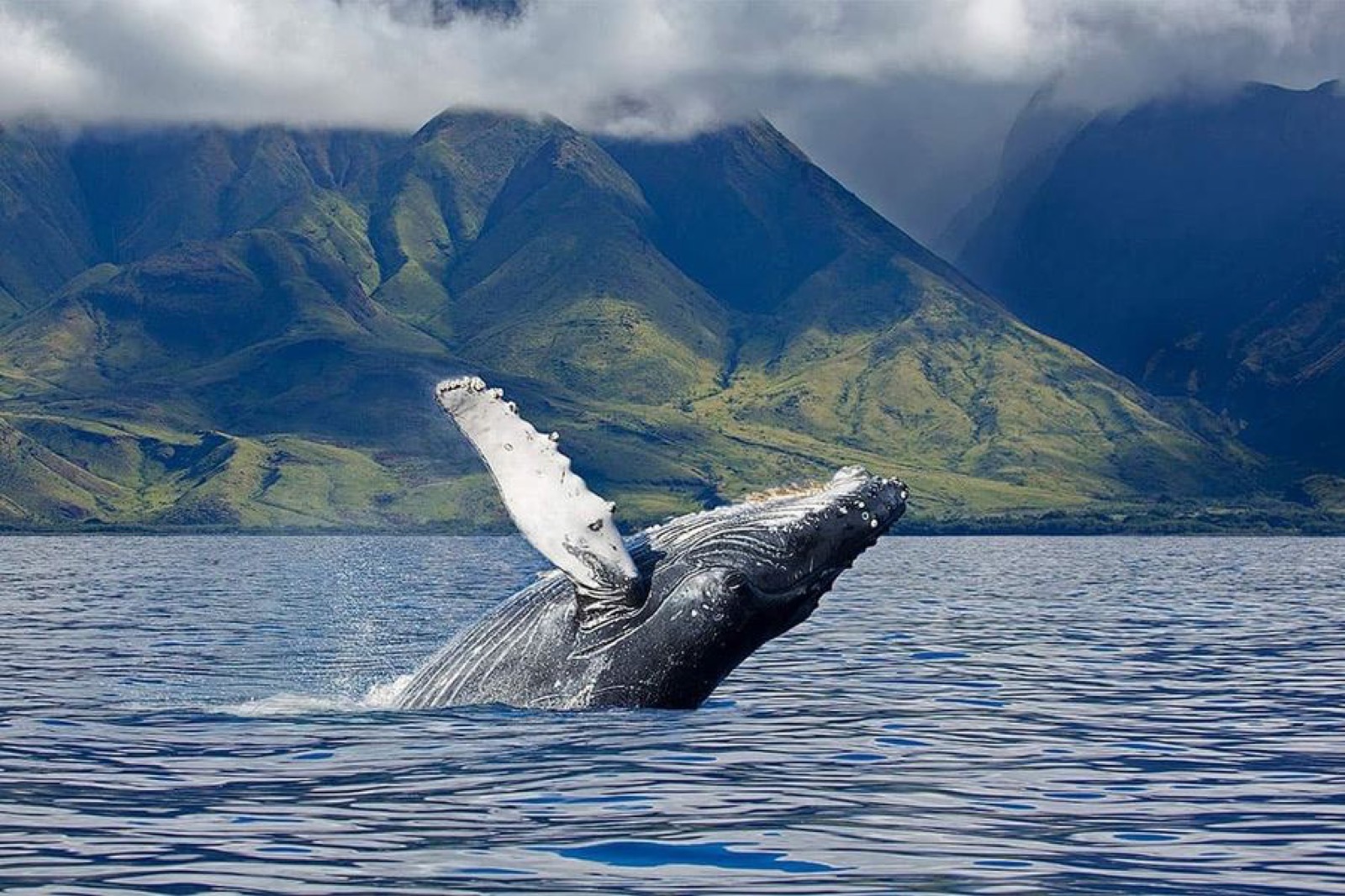
If you can choose your dates, aim for the middle of the season. January through March is when you will see the most whales and the most happening at the surface: breaches, tail slaps, pec slaps and the occasional competition pod, where several males jostle around one female. February is usually the high point.
December is a good bet if your schedule is fixed. Numbers climb through the month, and you will see whales most days, just fewer of them. April is quieter but still worth it, and the mother and calf pairs you see then often stay close and relaxed.
November and May are the shoulders. You might see whales, you might not. I would not plan a trip around either, but if you are already on the island, keep your eyes on the horizon.
One practical note: peak weeks fill up first. If your dates land in late January through mid March and you want a specific boat or time, book before you arrive. Morning departures usually go first.
Best ways to see whales
On a boat tour
A whale watching boat tour is the most reliable way to see whales up close, because the boat goes to where the animals are instead of waiting for them to come to you. A smaller boat sits closer to the water, which means you are closer to eye level with an animal that can be 45 feet long.
Whales are free to approach the boat, and they often do. Federal rules keep boats 100 yards back, so the best encounters tend to happen when a curious whale closes the gap itself and the captain cuts the engines. Ask whether the boat has a hydrophone and a naturalist aboard. Both make a real difference.
From shore
You do not need a boat to see whales on Maui. On a good day in February, you can watch a pod from the sand with a coffee in your hand.
Some reliable spots:
- McGregor Point lookout, on the highway toward Lahaina, with a wide view across the channel.
- Papawai Point, a little farther along the same road, a favorite for calm mornings.
- The Kaanapali beach walk, where you can scan the water while you stroll.
- Wailea, along the coastal path, where the water is often flat enough to spot a spout from a long way out.
Go early, when the wind is light and the glare is low. Look for a spout, a puff of mist about 15 feet tall, then watch the same spot for a tail or a breach. Binoculars help a lot.
Sunset cruises that double as whale watches
If you would rather combine a sunset with the chance of whales, two options work well in season. A sunset dinner cruise is the relaxed choice, with food and views, and you will often see whales on the way out or back. A sunset cocktail cruise is a little lighter and more social.
Neither is a dedicated whale watch, so the sightings are a bonus, not a promise. But in January through March, the odds are good, and a whale breaching in front of an orange sky is hard to beat.
Snorkel trips that pass whales
A West Maui snorkel tour is another good way to fit whales into a day on the water. You will not be in the water with them, as that is not allowed, but boats often cross paths with whales on the way to and from the snorkel spots, and captains slow down so everyone can watch from the deck. Winter snorkeling also tends to be calm on the West side in the mornings.
What closes during whale season
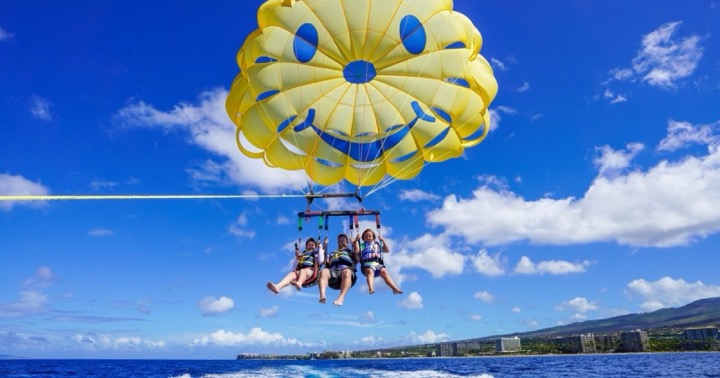
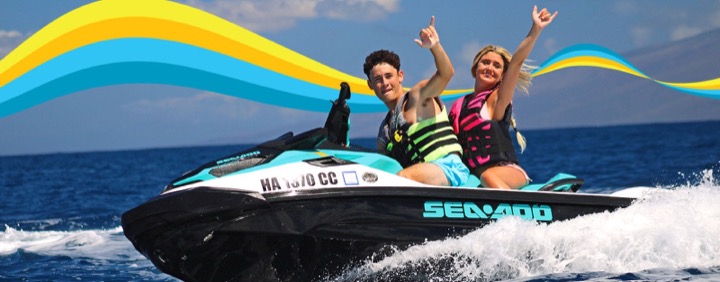
Here is the part many visitors miss. From December 15 to May 15 each year, Hawaii’s Department of Land and Natural Resources bans thrill craft in Maui waters. That means no parasailing and no jet ski rentals during those months. The ban also covers water skiing. It exists to reduce the risk of collisions and disturbance while whales are in the channel with newborn calves.
If a parasail or jet ski ride is on your wish list, plan for it between mid May and mid December. Parasailing is a great way to see the island from above, and it is one of the better ways to spend a calm summer morning.
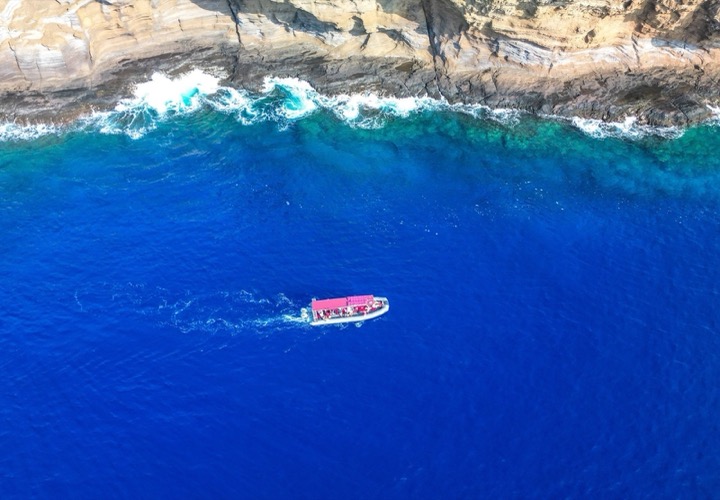
There is plenty to do in the meantime. If you want something with an adrenaline kick, an ATV tour is a good swap and works well on any winter day. If you want to get in the water, the Molokini snorkeling raft tour is a great choice. Note that Molokini runs from April 1 to December 14, so it also pauses in deep winter. If you are visiting from late December through March, the West Maui snorkel trip above is your best bet.
Whale-watching etiquette and rules
Humpbacks are protected, and the rules apply to everyone, including kayakers, paddleboarders and swimmers.
- Stay 100 yards away. Federal law prohibits approaching a humpback closer than 100 yards in Hawaii. That is about the length of a football field.
- If a whale approaches you, stop. Put the engine in neutral and let the animal pass. Do not chase it or try to cut it off.
- Boats must slow down. Move slowly and steadily around whales and give mothers with calves extra room. Never approach head on or from behind.
- No drones near whales. Drones count as approaching under the federal rules and can stress the animals. Keep them well away.
- Do not get in the water with whales. That includes swimming, snorkeling and diving near them.
- Report problems. If you see an injured or entangled whale, call the NOAA marine mammal hotline at 1-888-256-9840 and do not try to help yourself.
A good captain will brief you on all of this before you leave the beach. If an operator is pushing the limits, that tells you what you need to know about them.
Quick answers
Can you see whales in November?
Sometimes. Early arrivals begin to appear in October and November, but they are scattered and not predictable. If you are here in November, watch from shore and enjoy any sighting as a bonus. If seeing whales is the point of your trip, come in December or later.
Can you see whales in December?
Yes, especially in the second half of the month. Numbers rise week by week, and by late December sightings are regular. You will see fewer whales than in February, but a December whale watch is still worth doing.
Can you see whales in April?
Yes. The season is tapering, but plenty of whales remain, especially mothers with calves, who leave last. Crowds are lighter, and the calves are bigger and more playful than they were in February.
Do you need a boat to see whales?
No. On a good day you can spot whales from shore at McGregor Point, Papawai Point, the Kaanapali beach walk or Wailea. A boat gets you closer and gives you a better chance of seeing surface activity, but plenty of people see their first whale from a beach chair.
Which side of Maui is best for whales?
The west and south sides are best. The sheltered Auau Channel off West Maui and the waters off Wailea and Kihei see the most whales, and they are usually calmer than the windward side. The north and east shores get whales too, but rougher water makes them harder to spot. If you are in Kihei in February, World Whale Day is a fun way to learn more.
One last thing
Whale season is one of the best reasons to visit Maui in winter, and a little planning goes a long way. Pick your dates, book the peak weeks early, and keep parasailing and jet skis for the other half of the year. For more ideas on how to fill your trip, see our guide to the best things to do in Maui.
Written by West Maui locals with 25 years in Maui water sports. How we make money.