The best things to do in Maui are spread across a small island that feels much bigger once you start driving it. I have worked on the water here for 25 years, and the same question comes up every week: what should we actually do with our time?
This is my answer, with the honest notes I give friends who visit.
How this list works
I ranked these by what visitors actually rave about when they step off the boat, back from the trail, or out of the car. Then I grouped them by region, so you can plan around where you are staying instead of crisscrossing the island for no reason. If you are still choosing a base, our guide to Maui’s regions will help. Within each section, the items near the top are the ones I would book first.
West Maui (Kaanapali, Lahaina, Kapalua)
West Maui is the sunny, calm-water side of the island, and it is where I spend most of my days. The mornings are clear, the sunsets are reliable, and the ocean is usually flat enough to be fun.
1. Parasailing at Kaanapali Beach
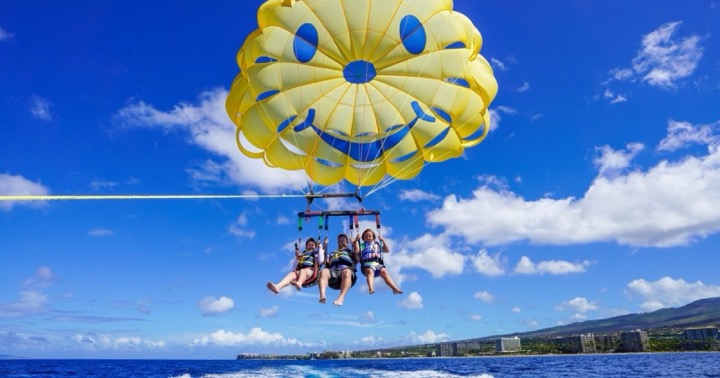
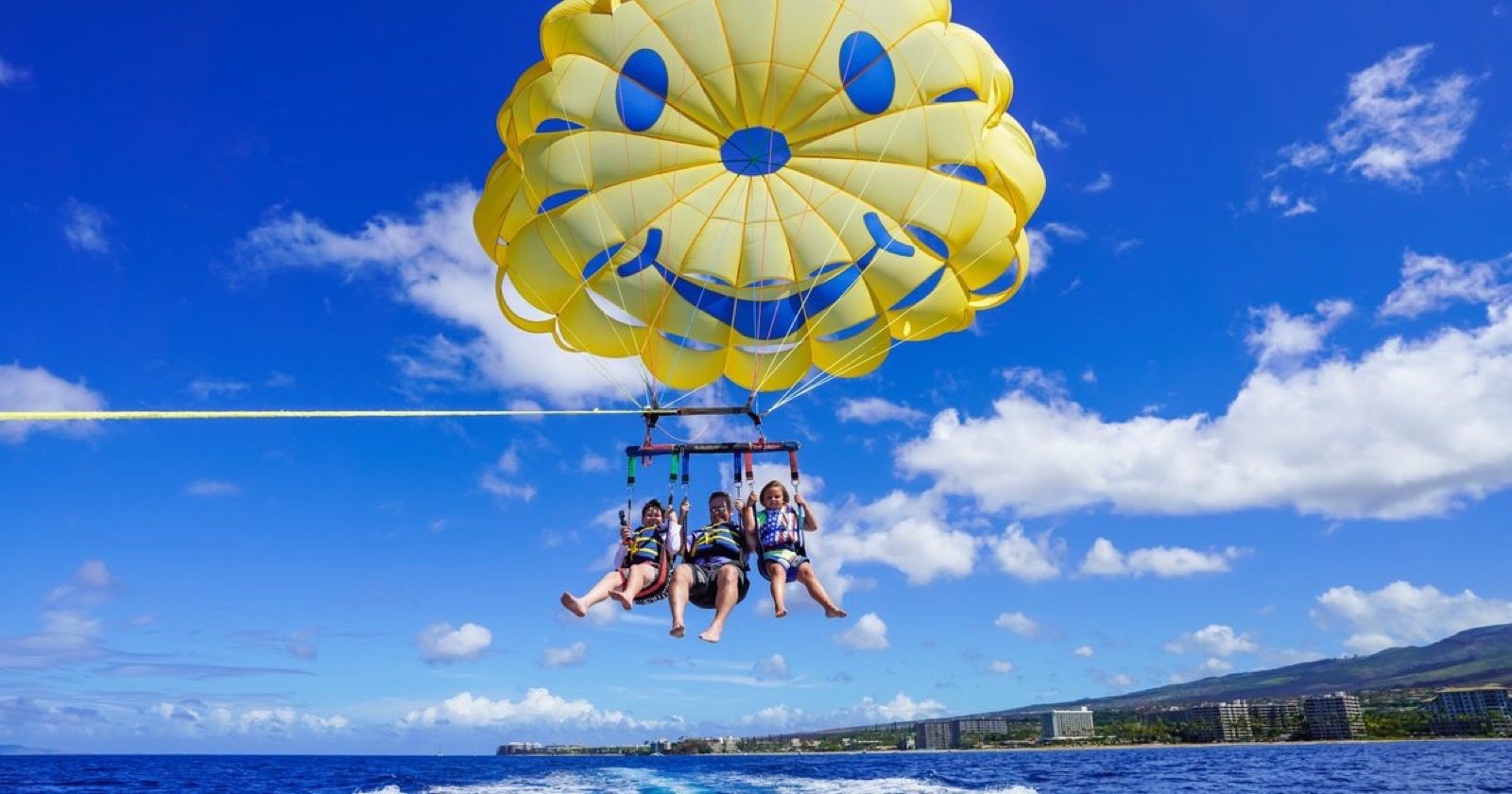
Parasailing at Kaanapali Beach takes you up to 1,200 feet over the water, with the West Maui mountains on one side and Lanai and Molokai on the other. It is quiet up there, which surprises people. Prices start at $75, and the season runs May 16 to Dec 14. Go in the morning when the air is smooth and the water is glassy. Wear a swimsuit you do not mind getting a little wet, and bring a phone strap if you want photos, because the view is the whole point.
2. Jet skiing at Kaanapali
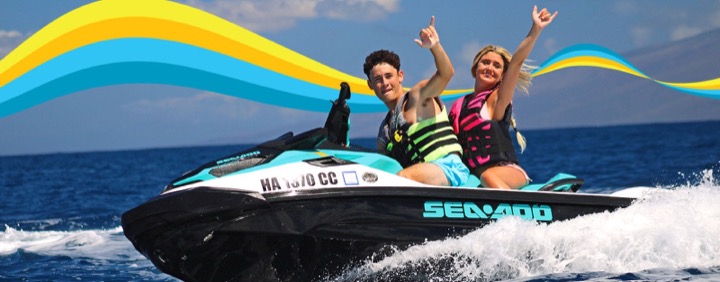
If you want to drive something yourself, jet skiing at Kaanapali is the fun one. Sessions run 45 minutes and start at $150, from May 16 to Dec 14. You get plenty of open water along the resort coast; on a good day the water is calm and the views are huge. Book an earlier slot, since the wind picks up through the afternoon and the water gets choppier. Listen to the safety briefing closely, keep your distance from swimmers and snorkelers, and hold on tighter than you think you need to on your first turn.
3. ATV and UTV tour above Lahaina
The off-road tour above Lahaina is a two-hour ride in four-seat side-by-sides, so families and groups can stay together. It runs year-round, which makes it a good pick when the ocean is rough or when the thrill-craft season is closed. You climb into the hills above the coast, get dusty, and look back at the whole West Maui shoreline. Wear closed-toe shoes and clothes you can wash. Sunglasses help more than you would expect, and a bandana is smart if the trails are dry.
4. Sunset dinner cruise from Kaanapali
The sunset dinner cruise boards right off the sand at Kaanapali, which means no harbor shuttle and no long walk with a drink in your hand. It starts at $147 and lasts about two and a half hours. You eat while the sky turns orange, then often catch the last bit of color on the way back in. Book it for your first or last night, when you want one easy plan that feels like an occasion. Bring a light layer, because the breeze cools off fast after the sun drops.
5. Sunset cocktail cruise
If you would rather skip the sit-down meal, the sunset cocktail cruise is the lighter option. It runs two hours, starts at $86, and includes an open bar. It is a relaxed, social trip that works well for couples and friends. Pick your night based on the forecast, because clear western skies make the difference between pretty and unforgettable. Eat a snack beforehand, pace the drinks, and keep your camera ready for the moment the sun touches the horizon off Lanai.
6. Half-day West Maui snorkel
The half-day West Maui snorkel tour starts at $170 and includes breakfast and lunch, which is a real convenience when you are hauling kids around. In summer the route reaches Honolua Bay, one of the best snorkel spots on the island when the swell is down. Expect clear water, coral, and plenty of fish. Go in the morning for the best visibility. Use reef-safe sunscreen, or wear a rash guard, and ask the crew what they are seeing that day. They know the conditions better than any forecast.
7. Afternoon snorkel
The afternoon snorkel tour leaves at 12:30 pm and starts at $159. It is the right choice if you like to sleep in or get your mornings back for the beach. You still get a full water session, with plenty of time to swim and look around. Afternoon trades can add a bit of wind, so tell the crew if you are a nervous swimmer. They will put you in the right spot. Eat a real breakfast first, because this trip does not replace lunch.
8. Whale watching, December to April
Whale watching on Maui is one of the great shows in Hawaii. Humpbacks arrive from Alaska and spend the winter in our warm, shallow channels. Tours start at $79 on a small raft, and there is a sighting guarantee, so you are not gambling on your afternoon. The small boat gets you low and close to the surface, which is the best way to hear a breach. Peak months are January through March, and our whale season guide breaks it down. Dress in layers, because spray and wind add up.
9. Black Rock snorkeling and the sunset cliff dive
Black Rock sits at the north end of Kaanapali Beach, and it is the easiest shore snorkel on this side of the island. Go in the morning, when the water is calm and the fish are active. Stay outside the swimmers’ zone and watch for turtles. At sunset, a Sheraton torch lighter walks the rock and a local diver launches off the top, a tradition that honors Maui’s history. Get there early for a spot on the sand. Bring a towel and park at the public lot, which fills fast.
10. Kapalua Coastal Trail and Napili Bay
The Kapalua Coastal Trail is a gentle, paved walk of about two miles along the shoreline from Kapalua Bay toward Fleming Beach. It is quick, scenic, and good for any age. Walk it in the early morning before the heat and crowds. Then drive five minutes to Napili Bay, a curved, protected beach where the water stays calm and turtles are common. Park early at the public access, because the lot is small. Bring snorkel gear and a picnic, and take your time.
11. Nakalele Blowhole
The Nakalele Blowhole is a dramatic spot on the rugged north end of West Maui, where waves force water through a lava shelf and shoot it into the air. The drive is slow and winding, so give it half a day. Go at high tide for the biggest spray. Stay well back from the edge, because people get hurt here every year by waves that look smaller than they are. Wear real shoes, bring water, and never turn your back on the ocean. Respect the posted warnings.
12. A luau in West Maui
A luau is worth doing once. Old Lahaina Luau is the classic, with hula, Hawaiian food, and storytelling that goes beyond the tourist version. Feast at Lele is the other one people ask about, with a plated, multi-course meal. Both sell out weeks ahead, especially in winter and summer, so book before you land. Check each venue’s current location and schedule, since things have shifted since 2023. Arrive early to pick a good table, and sit near the stage if you can.
13. Old Lahaina and the recovery
Lahaina was the heart of West Maui for generations, and the August 2023 wildfire changed it deeply. Much of the town is still rebuilding, and many residents are still displaced. Kaanapali and Kapalua resorts are open and welcome visitors. If you go into the Lahaina area, go with respect: do not treat burned areas as a photo stop, follow signage, and avoid blocking residential streets. Check what is open and support local businesses by eating, shopping, and booking with people who live here.
South Maui (Kihei, Wailea, Makena)
South Maui is drier and a little hotter, with long beaches and a lot of sun. It is easy to get around, and the sunsets and snorkeling are excellent.
14. Molokini snorkeling raft tour from Kihei
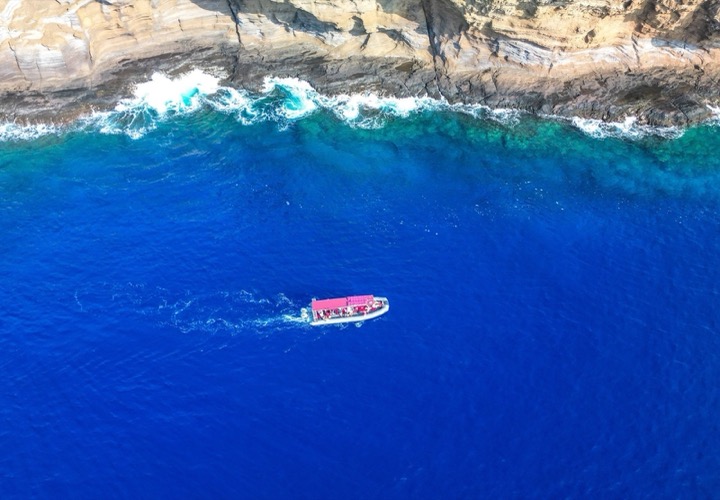
The Molokini snorkeling raft tour departs from Kihei at 10:30 am, takes about two hours, and starts at $129. Molokini is a crescent-shaped volcanic crater just offshore, and the water inside it is among the clearest in Hawaii. The late-morning departure means you skip the dawn alarm and the biggest crowds. Go on a calm day, usually in summer or fall. Take motion sickness medicine ahead of time if you tend to get queasy, and bring a rash guard so you can skip heavy sunscreen.
15. Big Beach and Little Beach in Makena
Big Beach, officially Makena State Park, is a wide golden stretch with strong shore break. It is beautiful and a little dangerous, so watch the waves and keep children close. Go early or on a calm day. Little Beach sits over a small rocky ridge, and you should know it is clothing-optional and has a Sunday evening gathering. Bring plenty of water, an umbrella, and cash for parking and snacks. There is very little shade, so plan to arrive early and leave before the afternoon heat.
16. Wailea beach path and the Kamaole beaches
The Wailea beach path is a paved, mostly flat coastal walk of about a mile and a half, linking resorts, small coves, and lava rock points. It is lovely at sunrise and just before dusk. In Kihei, the three Kamaole beaches are local favorites for easy swimming, shade trees, and sunset views. Park at whichever lot has space and walk between them. Afterward, grab a shave ice at Ululani’s in Kihei. Go in the evening for cooler air, and bring a hat.
17. A surfing lesson in Lahaina or Kihei
Maui is a great place to learn to surf because the waves are gentle and the water is warm. Instructors in Lahaina and Kihei run small-group and private lessons on friendly breaks. Morning sessions are best, before the wind kicks up. Choose a school that keeps ratios low, and ask how many students per instructor. Wear a rash guard, and be prepared to be tired in the best way. You will be standing up within the first hour, but expect to fall a lot first.
18. Maui Ocean Center in Maalaea
The Maui Ocean Center is Maui’s aquarium, and it is a solid rainy-day option, or a good way to cool off in the afternoon. The exhibits focus on Hawaiian marine life, including reef fish, sharks, rays, and sea turtles. It is better than most kids’ attractions, and the information is accurate and local. Go early to avoid tour buses, then check the daily feeding and talk schedule. It pairs well with a drive to the Maalaea harbor for lunch, and you can see it in about two hours.
Upcountry and Haleakala
Upcountry is cooler, greener, and slower. It sits on the slopes of Haleakala, so expect weather that changes quickly.
19. Haleakala sunrise
Haleakala sunrise is a bucket-list moment, and it is worth the early alarm. You need a reservation through recreation.gov for entry between 3 and 7 am, and they go quickly, so book as soon as the window opens. The summit sits above 10,000 feet and is genuinely cold, often near freezing, so dress in layers, with a hat and gloves. Arrive early for parking, and expect clouds some mornings. If sunrise is not your thing, the sunset and stargazing are also excellent, with fewer people. The other classic way to do the mountain is the Haleakala downhill bike tour, a guided ride from 6,500 feet to Paia with a civilized 8:20 am start.
20. Kula lavender and Maui Wine in Ulupalakua
Kula is a high, cool farming district with views all the way down to the ocean. Alii Kula Lavender is an easy, scenic stop for gardens, tea, and photos. Farther along, the tasting room at Maui Wine in Ulupalakua pours wines made on the volcano’s slopes, including pineapple wine and grape varieties. Go midday, and pick a designated driver, since the roads afterward are narrow. Bring a jacket, because Upcountry feels noticeably cooler than the beach. It makes a good half-day outing.
21. Makawao town
Makawao is a small paniolo, or Hawaiian cowboy, town with art galleries, bakeries, and shops along a single main street. It is a good break from the beach, and an easy stop on the way to or from Haleakala. Walk the street, browse the studios, and stop for a pastry. Farmers markets run most mornings around the island, and the Upcountry one is a good place to pick up local fruit. Go on a weekday morning, and check shop hours first, because some close early.
The Road to Hana and East Maui
The Road to Hana is about the drive more than any single stop. Plan to start early, drive patiently, and treat it as a full day.
22. The Road to Hana
The Road to Hana winds along the northeast coast through rainforest, one-lane bridges, and waterfalls. Start early, since the trip is a full day. Twin Falls is an easy early stop, and Waianapanapa State Park has a stunning black sand beach, with an advance reservation required for non-resident visitors. Hana town itself is quiet and small, with a local feel, so pick up food at roadside stands. Fill your gas tank before you leave, download maps, and let faster drivers pass you. If nobody in your group wants to drive 600 curves, a private Road to Hana tour with hotel pickup turns it into the easiest day of the trip.
23. Pipiwai Trail and Oheo Gulch in Kipahulu
Past Hana, the Kipahulu district of Haleakala National Park holds one of the best hikes on Maui. The Pipiwai Trail runs about four miles round trip through a bamboo forest to Waimoku Falls, which drops roughly 400 feet. Go in the morning, wear shoes with grip, and bring water. The Seven Sacred Pools at Oheo Gulch are lovely to see, but swimming is often closed for safety, so check with the park service before you go. Plan to spend at least two hours here.
North Shore and Central Maui
The north shore is wind, waves, and a creative, outdoorsy crowd. Central Maui holds the island’s working towns and one of its most beautiful valleys.
24. Paia town and Hookipa lookout
Paia is a funky former plantation town with surf shops, cafes, and good people-watching. Just east, Hookipa Beach Park is one of the world’s great windsurfing and kitesurfing spots, and the lookout is a free show on breezy afternoons. Green sea turtles often rest on the sand at Hookipa, and you should stay at least 10 feet away. For a splurge dinner, Mama’s Fish House in nearby Kuau is Maui’s famous special-occasion restaurant, so reserve well ahead. Go in late afternoon for the best light and animals.
25. Iao Valley State Monument
Iao Valley is a deep, green canyon above Wailuku, with the famous Iao Needle rising 1,200 feet above the valley floor. It is also a historic place, the site of a major battle in Hawaiian history. A short paved path leads to a lookout. Non-resident visitors need a reservation, so book it ahead of time. Go in the morning, before clouds roll in and the rain starts. Bring a light rain jacket, wear shoes with grip, and treat the stream and site with respect.
Planning tips
- Book water activities before you land. The best spots, especially parasailing, sunset cruises, and snorkel trips, fill first, and you will have more choice if you plan ahead.
- Know the seasons. Whale season runs December 1 to April 30. Parasailing and jet skis run May 16 to December 14 and pause while the whales are here. Read our whale season guide to time your trip.
- Rent a car. Public transit will not get you to the places on this list, and you will want the freedom.
- Use reef-safe sunscreen. Hawaii law bans sunscreens containing oxybenzone and octinoxate, so check the label before you pack.
- Mind the drive times. West Maui to South Maui takes about 40 to 50 minutes without traffic, so avoid zigzagging in a single day.
- Treat Hana as a full day. Start early, bring food and water, and do not try to squeeze in anything else.
- Be respectful in Lahaina. Check what is open, support local businesses, and follow local guidance.
Keep exploring
- Parasailing at Kaanapali Beach, from $75
- Molokini snorkeling raft tour from Kihei, from $129
- Maui whale watching, from $79
Written by West Maui locals with 25 years in Maui water sports. How we make money.