There is no bad month to visit Maui. The leeward coasts where the resorts sit are warm and mostly dry all year, the ocean never drops below the low 70s, and something is always running. But the months are not the same. Whales are here in winter and not in summer. Parasailing and jet skis run in summer and not in winter. The Molokini rafts pause in deep winter. Prices double at Christmas. The north shore surf is enormous in January and flat in July.
This guide goes month by month and then lays out the four calendars that actually decide what you can book.
The four calendars that matter
Before the months, here are the dates to plan around. Every one of them is fixed, and none of them bend for a nice day.
| Season | Dates | What it means |
|---|---|---|
| Whale season | December 1 to April 30 | Whale watching raft runs; peak January through March |
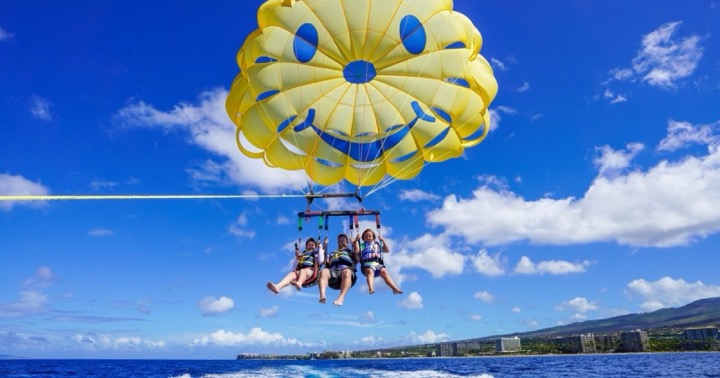
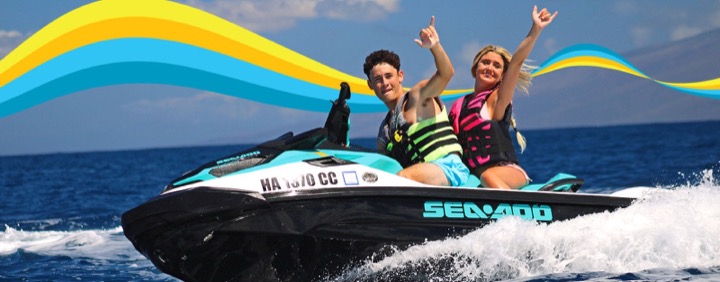
| Thrill-craft season | May 16 to December 14 | Parasailing and jet skis run; state ban the rest of the year |
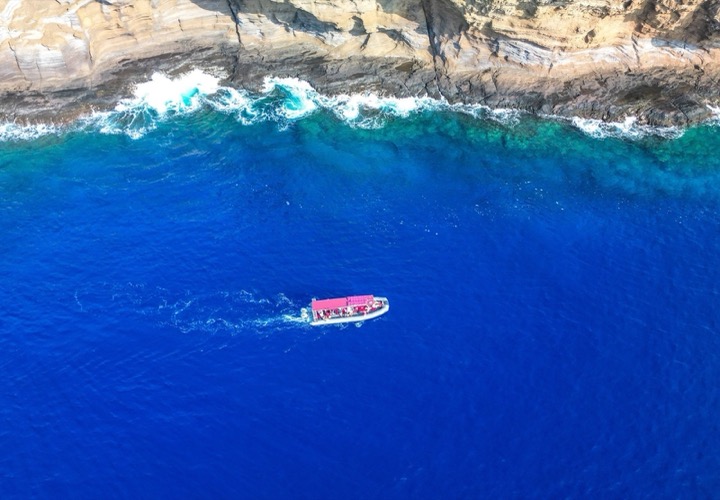
| Molokini raft season | April 1 to December 14 | Molokini snorkeling raft runs; big catamarans go year round |
| Afternoon snorkel season | April 15 to December 14 | Afternoon snorkel tour runs |
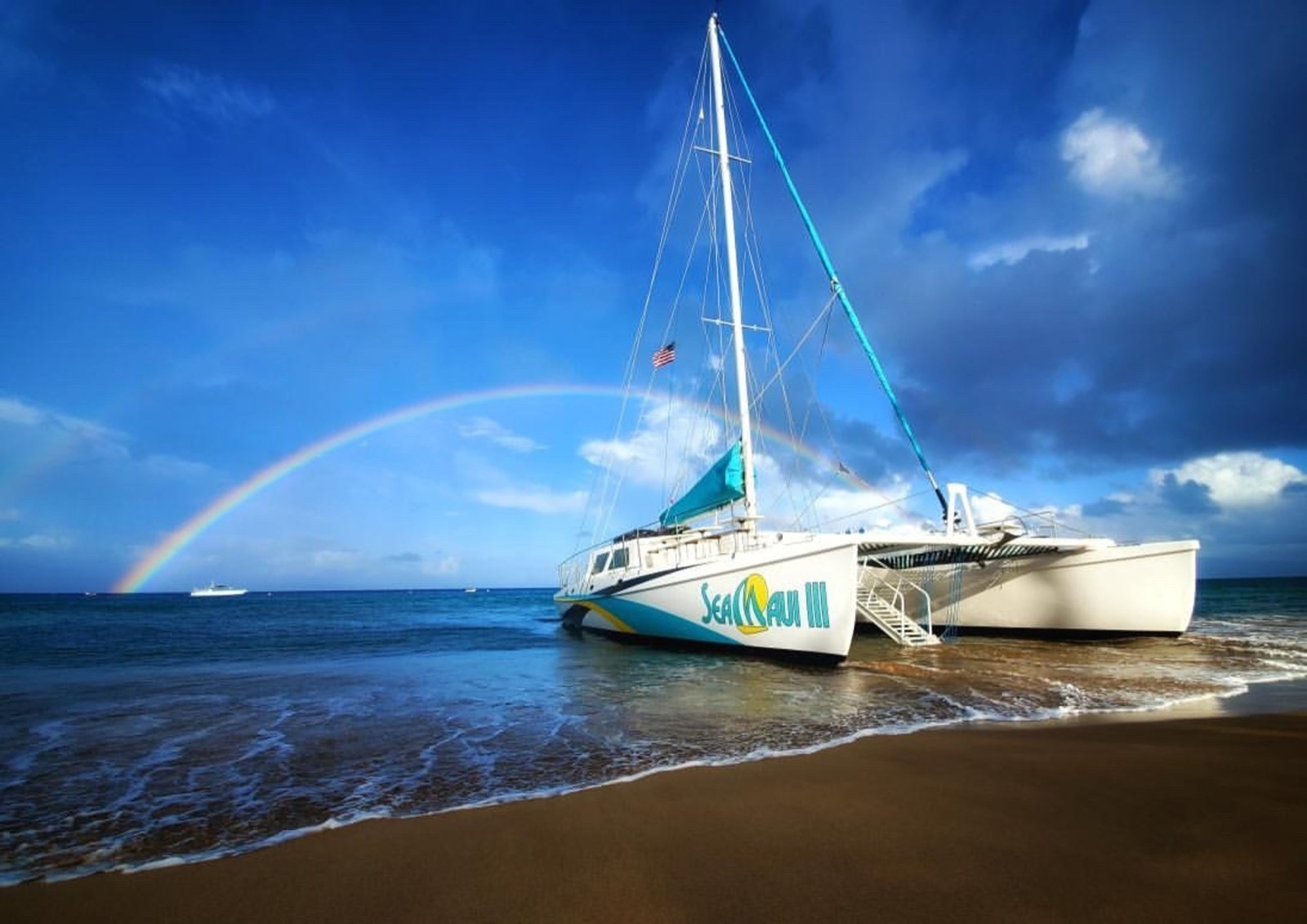
Year round: the sunset dinner cruise, the sunset cocktail cruise, the West Maui snorkel sail, the ATV tour, the Haleakala bike tour and the Road to Hana tour. The cruises and the snorkel sail double as whale watches from mid December to mid April.
Notice the overlap. From December 1 to December 14 you get whales and parasailing. From April 1 to April 30 you get whales and the Molokini raft. Those four weeks are the only times a single trip can cover everything on the site.
The weather, in one paragraph
Maui has two seasons, not four. Summer, roughly May through October, is warmer, drier and windier, with daytime highs in the mid 80s on the coast and steady trade winds in the afternoon. Winter, November through April, is a few degrees cooler, with highs around 80, more passing showers, and the occasional multi-day storm. Rain falls mostly on the windward north and east sides and in the mountains. Kaanapali gets about 15 inches a year and Wailea less. Hana gets more than 80. Water temperatures run from about 75 in late winter to 80 in late summer. Hurricane season is June through November and almost never affects a trip.
Month by month
January
Weather: Cooler, highs around 80, the wettest month on average, though “wet” on the leeward coast usually means a shower passing through. The north shore gets its biggest surf. Crowds and prices: The first week is peak everything, as high as it gets. By the second week rates drop sharply and stay moderate through the month. What runs: Whale season in full swing, with competition pods and surface activity picking up. The whale raft, the cruises and the snorkel sail. ATV, bike, Hana. No parasail, jet ski or Molokini raft. Verdict: Mid to late January is one of the best-value whale windows of the year.
February
Weather: Similar to January. Cooler mornings, occasional storms, mostly pleasant. Crowds and prices: High. Presidents’ Day week and the start of spring break push rates up. Book boats before you fly. What runs: Peak whale season. The most whales of the year, calves everywhere, song through every hydrophone. World Whale Day in Kihei is mid month. Verdict: The single best month to see whales. The trade is price and the absence of thrill craft.
March
Weather: Starting to dry out. Highs in the low 80s. North shore surf still big early in the month. Crowds and prices: Spring break runs the whole month. Families everywhere, rates high, morning slots gone early. What runs: Still peak whales, with mother and calf pairs close to shore in calm mornings. Everything year round. Verdict: Great if you are tied to a school calendar. Book early.
April
Weather: Drier, warmer, trades returning. One of the nicest months. Crowds and prices: Busy through Easter week, then quiet. Late April is a sweet spot. What runs: Whales thin out but are still around to April 30, mostly mothers and calves. The Molokini raft reopens April 1 and the afternoon snorkel April 15. Still no parasail or jet ski until May 16. Verdict: The best overlap month. Late April gets whales, Molokini, calm water and shoulder-season rates.
May
Weather: Dry, warm, calm seas on the south and west. Honolua Bay starts to settle. Crowds and prices: Low through mid month, climbing after Memorial Day. Good deals. What runs: Thrill-craft season opens May 16, so parasailing and jet skis are back. Whales are gone, except for a straggler or two. Molokini is excellent. Verdict: First half of May is the best value of the year for a summer-style trip.
June
Weather: Sunny, dry, highs in the mid 80s, steady trades. South shore surf begins. Crowds and prices: Summer high season starts mid month. Families, higher rates, boats fill a week or more out. What runs: Everything except whales. Honolua Bay on the West Maui snorkel sail is at its best. Verdict: Reliable weather and everything open. Book boats before you arrive.
July
Weather: Hot by Maui standards, upper 80s on the coast, strong afternoon trades. Water at its warmest. Crowds and prices: Peak summer. Fourth of July week is the high point. What runs: Everything but whales. Early morning slots are the move, because the wind by 1 pm is real. Verdict: Great for water sports, busy, and the month to book earliest in summer.
August
Weather: Same as July, a touch hotter and more humid. South swells continue. Crowds and prices: High through the second week, then a noticeable drop as mainland schools start. What runs: Everything but whales. Verdict: Late August is a quiet, warm, good-value window that most people miss.
September
Weather: Warmest ocean of the year, lighter winds than July, still dry. Crowds and prices: The lowest of the year after Labor Day. Rates fall, boats have space, restaurants have tables. What runs: Everything but whales. Molokini visibility is often at its best. Verdict: A local’s favorite month. Warm, calm, empty.
October
Weather: Still warm and dry. A few early-season showers toward the end of the month. The first north swells arrive. Crowds and prices: Low to moderate. A good month for couples. What runs: Everything but whales, and the very first scouts sometimes show up late in the month. Verdict: Another excellent shoulder month, especially the first three weeks.
November
Weather: Transition. More showers, more variable, highs around 82. North shore surf builds. Crowds and prices: Quiet until Thanksgiving week, which is busy. What runs: Everything on the thrill-craft and Molokini calendars still runs through December 14. Early whales appear but are not something to plan around. Verdict: Early November is a sleeper. Warm water, light crowds, every summer tour still open.
December
Weather: Cooler, more showers, the occasional storm. Still 80 degrees and swimmable. Crowds and prices: Quiet for the first two weeks, then the busiest and most expensive stretch of the year from about December 20 through New Year’s. What runs: Whale season opens December 1. Parasail, jet ski and the Molokini raft run through December 14, then pause. The cruises spot whales from December 15. Verdict: December 1 to 14 is a rare window: whales starting, parasailing still running, and low rates. The last ten days are expensive and crowded.
Best month for each kind of trip
- Whales: February, then March, then late January.
- Everything on the site in one trip: December 1 to 14 or the month of April.
- Cheapest with good weather: September, early May, late August, early November.
- Water sports and warm ocean: July through September.
- Snorkeling visibility: May through October, with Honolua Bay best June through September.
- Families on school breaks: June and July for the thrill rides, March for whales.
- Couples who want quiet: September, October, early May.
- Surf watching: December through February on the north shore for Honolua, Hookipa and the big-wave spots. July and August on the south shore.
What closes, and when
Visitors get caught out by a handful of closures every year, so here they are in one place.
- Parasailing and jet skis stop December 15 and resume May 16. It is a state rule to protect whales, not an operator choice.
- The Molokini raft stops December 15 and resumes April 1. Big catamarans run Molokini year round, weather permitting.
- The afternoon snorkel tour stops December 15 and resumes April 15.
- The whale watching raft runs only December 1 to April 30.
- Haleakala sunrise requires a reservation from recreation.gov year round, released 60 days ahead and again two days ahead. Mid-morning summit visits do not.
- Waianapanapa State Park on the Hana road requires a reservation year round.
- Honolua Bay is not closed in winter, but big surf makes it unsnorkelable from roughly November through March.
- Some roads and trails close after heavy rain, especially on the Hana side. Guides know the same morning.
Surf seasons
Surf matters even if you never touch a board, because it decides which beaches are calm.
Winter, November through March, brings big north swells to the north and west shores. Honolua Bay turns into a world-class break, Hookipa fills with windsurfers and surfers, and Peahi (Jaws) draws the big-wave crowd on the biggest days. The south and west resort beaches stay sheltered, which is why Kaanapali and Wailea are calm in February while Hookipa is 20 feet.
Summer, May through September, flips it. South swells arrive from the southern hemisphere and bring waves to Kihei, Wailea and Lahaina. They are rarely big and the resort beaches stay swimmable, but afternoon shore break at Big Beach in Makena is real. The north shore goes flat and Honolua becomes a snorkel site.
Beginner surf lessons run year round in Lahaina and Kihei, because both have small, reliable waves in every season.
Events worth knowing
A few dates that move the crowds. World Whale Day in Kihei in mid February. The Kapalua Wine and Food festival in June. The Maui County Fair in Kahului in early October, a real agricultural fair. Thanksgiving week and the Christmas to New Year stretch, which are not events but behave like them. The PGA event at Kapalua in early January fills the Kapalua hotels.
Our honest recommendation
If you can choose any dates and want the fullest trip, come in the last two weeks of April or the first two weeks of December. Both give you whales and most of the rest.
If you want whales and nothing else matters, come in February and book early.
If you want the warm-water, every-tour-open, cheapest-rooms version, come in September.
If you are tied to school holidays, June is better than July, and March is a whale trip, not a parasail trip, so set expectations with the kids before you fly. Our Maui with kids guide has the age rules.
For more on the winter calendar specifically, our Maui whale season guide goes deeper. For where to stay once you have picked a month, see Kaanapali vs Wailea vs Kihei vs Kapalua, and for how to fill the days, the 5-day itinerary and our best things to do in Maui. The island map shows which coast gets what.
Written by West Maui locals with 25 years in Maui water sports. How we make money.